The problem brands actually feel in their P&L
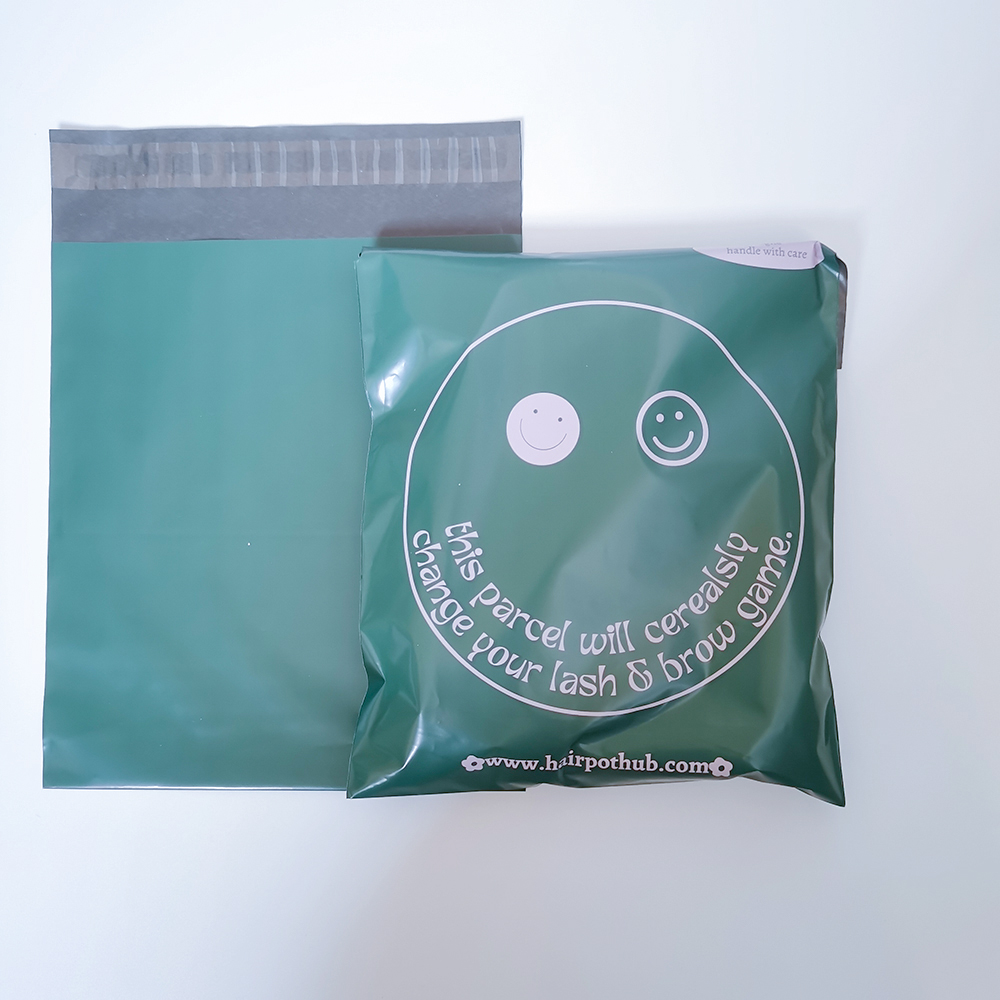
Dimensional weight (DIM weight) surcharges quietly hollow margins for growing e-commerce brands — you’re charging for a 2 lb box when the shoes inside weigh 12 oz. Carriers like USPS and UPS have enforced DIM rules for years, and the 2020 e-commerce boom only made the pain louder. If you’re running fulfillment at scale, reducing charged dimensional volume is a direct way to protect gross margin. One straightforward lever is the mailer itself: swapping to lightweight, space-efficient options like custom printed poly mailers can cut billable cubic inches without compromising presentation.
Why glossy white poly bag mailers work (and when they don’t)
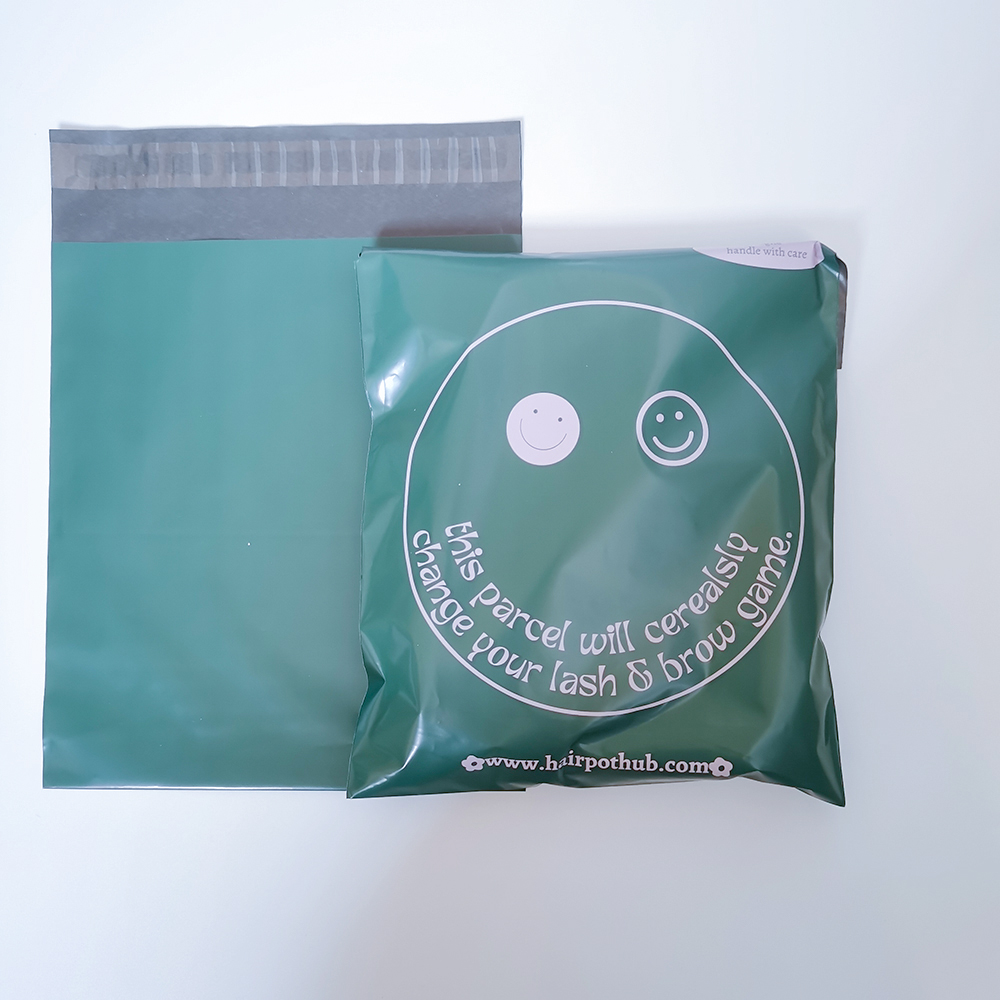
Glossy white poly mailers compress more easily than corrugated cartons, which lowers DIM calculations on the carrier side. They’re also lighter per unit — measured in grams or mil thickness — so you get both lower billed weight and lower dimensional volume. For many apparel and soft-goods brands, that means fewer DIM surcharges at the postal manifest stage and happier fulfillment center KPIs. That said, they’re not a universal fix: brittle products, fragile ceramics, or heavy liquids still need structured packaging or inner cushioning to meet damage rates and return thresholds.
Design choices that actually reduce DIM charges
Focus on three design levers: envelope profile, packing efficiency, and thickness. A snug envelope profile that matches product dimensions cuts dead space. Packing efficiency — better folding, inserting, or vacuum-packing — reduces height, which carriers weight into DIM. And choosing the right mil for the poly mailer balances durability and weight. Also consider gusset options only when the product truly needs extra width — otherwise you’re adding billed volume for no reason. Small changes compound quickly on weekly shipment runs.
Implementation checklist for switching to printed poly mailers wholesale
Move deliberately, not impulsively. Start conservative with a test SKU batch through your current fulfillment center. Track three metrics: billed DIM adjustments, damage/return rate, and pack-time. If your pack-time spikes, you’ll kill margins with labor cost even if carrier fees fall. Order a small run of printed poly mailers wholesale and pilot them during a normal fulfillment window so your data reflects real volumes and peak handling patterns. Insist on samples that show exact gloss, print registration, and mil thickness before you sign tooling or MOQ agreements.
Common mistakes brands make — learn from these
Brands often jump to the cheapest poly mailer and then wonder why returns rise. First, under-specifying mil thickness leads to tears and increased returns — a false economy. Second, overlooking closure security (tamper-evident strips, adhesive strength) creates fraud and chargebacks. Third, assuming every carrier treats soft packaging the same; dimensional algorithms vary slightly across carriers, so test with your primary carrier. And don’t forget branding trade-offs — print quality matters for repeat purchase rates, so cheap printing can undermine customer experience even if DIM spend falls. —
Real-world anchor: a quick industry snapshot
Carriers’ DIM rules are well-documented; since 2020, carriers tightened dimensional pricing in response to increased parcel volume, and major marketplaces like Amazon explicitly price by DIM for FBA. That macro shift pushed many mid-market apparel brands to re-evaluate their fulfillment packaging — and those that optimized mailer profiles often saw measurable drops in monthly DIM surcharges. If you want a practical test case, review a quarter of outbound shipments before and after a mailer change and compare billed DIM fees per SKU.
Quick summary of what actually moves the needle
Reduce dead space, pick appropriate mil thickness, and pilot with real fulfillment conditions. Prioritize packing speed and damage rates alongside carrier fee reductions. The goal is lower billed dimensional volume without adding returns or labor cost — a simple-sounding balance that takes a few careful tests to perfect.
Three golden rules for evaluating your packaging strategy
1) Measure before you buy: compare billed DIM fees, damage rate, and pack-time across a 2–4 week pilot. 2) Optimize for total landed cost: include carton weight, freight, and returns — not just unit material price. 3) Match mailer specs to SKU profiles: select mil, closure type, and gusset only when they resolve known product risks.
That evaluation framework points you to partners who get both the numbers and the brand story right — and if you’re sourcing proven, DIM-smart solutions, WH Packing is where sensible spec decisions and reliable runs converge.
–